

Interview: Michael Wittenburg outlines the wins and failures of AI within AML strategies
As the US and the EU find themselves heading in very different directions with their anti-money laundering (AML) efforts, one thing is clear: collaboration is more necessary than ever. In this conversation, Michael Wittenburg, Senior General Manager Compliance at KBC Group, outlines the current approaches to AML from a global perspective. He also explores the potential successes and pitfalls of deploying AI technology within a more unified global AML strategy.
This interview is published in our whitepaper ‘Trusted AI in AML: a blueprint for success’, about today’s pressing AML challenges, market trends, and how AI can strengthen modern anti‑money‑laundering frameworks.
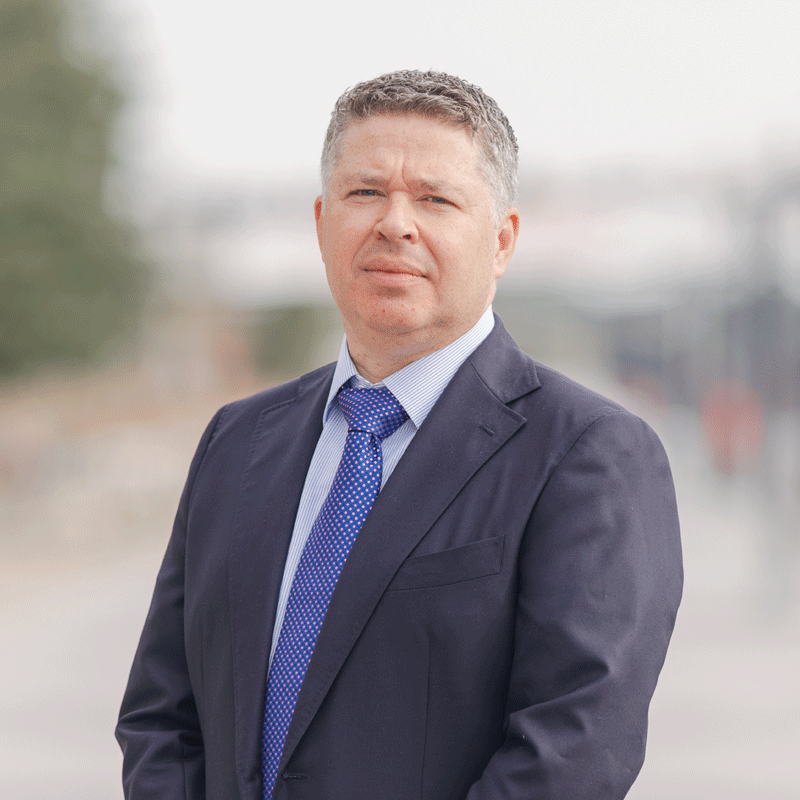
As the US and the EU find themselves heading in very different directions with their anti-money laundering (AML) efforts, one thing is clear: collaboration is more necessary than ever. In this conversation, Michael Wittenburg, Senior General Manager Compliance at KBC Group, outlines the current approaches to AML from a global perspective. He also explores the potential successes and pitfalls of deploying AI technology within a more unified global AML strategy.
This interview is published in our whitepaper ‘Trusted AI in AML: a blueprint for success’, about today’s pressing AML challenges, market trends, and how AI can strengthen modern anti‑money‑laundering frameworks.
There is a market perception that the US has historically played a significant role in AML efforts around the world. However, recent actions by the Trump 2.0 administration have raised concerns. Actions like pausing investigations and enforcement under the Foreign Corrupt Practices Act (FCPA), disbanding anti-corruption task forces, and non-enforcement of beneficial ownership reporting.
What are your thoughts on this recent shift in strategy from the US?
I don’t believe that the US has been leading the fight against financial crime. While there are efforts at the state and federal levels, particularly in terms of combatting terrorism, the overall approach is fragmented, with a patchwork of local regulations.
How would you compare the US approach to the EU’s current stance on AML?
They are complete opposites. I believe the EU is leading the way today with its new AML package and the AI Act. The former directive approach led to localised interpretation and implementation, which in turn facilitated regulatory arbitrage. By moving towards a more harmonised regulatory approach, the EU is taking a good step forward.
However, the effectiveness of this updated approach will depend on the technical standards we receive, since those will define the how throughout the EU.
What do you think is needed to build a more effective AML strategy?
To be truly effective, we need to expand the collaboration between banks, regulators and executive powers. Banks only know one part of the story, so a more integrated approach involving all stakeholders is essential. That collaboration should not impose responsibilities on banks alone but rather ensure a multilateral process that can fight money laundering from various angles.
To make a real difference, it will be paramount to share insights and collaborate across participating entities. With examples like the UK’s Joint Money Laundering Taskforce and Singapore’s COSMIC platform, as well as the new Article 75 in the EU’s AMLD6, what is your view on the likelihood of practical use cases of this article?
What I would love to see is a broader scope of cooperation, particularly on developing best practices for risk management and monitoring. That includes enriching banking data with information from other institutions and the public sector to make our way of working more effective.
Transparency and information are crucial in fighting financial crime, of course, but we must ensure there are safeguards in place to prevent abuse.
What are the biggest challenges in terms of implementing these cooperation efforts?
One of the significant barriers is the constraints imposed by regulations like GDPR. For example, an attempt at joint transaction monitoring in the Netherlands was discontinued by those constraints. While information sharing is valuable, we need to be much bolder in our cooperation. Transparency and information are crucial in fighting financial crime, of course, but we must ensure there are safeguards in place to prevent abuse.
What would you consider an appropriate operating model and information exchange protocol between participants?
In my personal opinion, though not realistic today, a possible approach could be for banks to share relevant data with regulators or Financial Intelligence Units (FIUs). By combining data from different banks with information from FIUs, the regulator/FIU could create a much more comprehensive monitoring system. It would involve integrating various data sources to get a full picture and monitor financial activities more effectively.
Do you foresee a leading role from the private or public sector in this collaboration?
Both sectors have crucial roles to play. Public-private partnerships are essential in this fight. The private sector – financial institutions in particular – often serves as the first line of defence against money laundering. They bring important resources to the table, from substantial staffing and expertise to advanced technology and vast amounts of data. The public sector, on the other hand, provides regulatory oversight and investigative powers. Effective collaboration between these sectors can enhance detection capabilities, improve risk assessments and ultimately strengthen overall AML strategies.
In the coming years, how do you see the evolution of capacity and skillset for AML teams in the first and second lines of defence?
A typical investigator is often alert-driven, focusing on individual alerts and transactions. Cross-functional thinking in investigations is challenging, especially given the frustration that can come from false positives. People need to feel that their investigations and notifications lead to meaningful outcomes. Currently, we are too focused on the small fish rather than the big ones. Investigators will have to embrace cross-functional thinking and become more data-driven, considering each transaction in a wider context.
AML teams are great at investigating individual alerts, but to truly understand if an alert is a part of something bigger, AML teams need better tools, resources and means. It’s similar to law enforcement, really: you wouldn’t send the FBI to every crime scene. Instead, you would dispatch local police to deal with standard cases and reserve advanced profiles for complex matters. Different levels of seniority and skills will be needed.
To be bold, I don’t believe that first-line investigations will be largely replaced by technology. While new technologies can enhance our capabilities, human oversight remains crucial. The EU also emphasises the importance of human oversight in the future. Technology can assist in reducing the workload and improving accuracy, but it cannot fully replace the nuanced understanding and judgement that human investigators bring to the table.
What critical success factors are needed to create value when using AI in financial crime fighting, particularly in the context of transaction monitoring?
One of the major issues we see is that 80% of AI projects fail, whether they involve machine learning, deep learning or other technologies. These failures often stem from organisations not being ready in terms of mindset, strategy and foundational elements.
It’s like buying the best airplane without knowing how to operate it: it’s useless. The general problem is that AI systems are perceived to be a solution to all problems, but these systems need to be embedded within an overall strategy. You need to understand the root cause of the problem you want to solve before you can determine the best solution.
Many AI projects fail because organisations start to buy systems and develop models without first having the necessary foundation in place. Without a clear strategy and understanding of the problem they want to solve, those projects are doomed to fail. It’s essential to know what AI is capable of and how it should be integrated into the overall strategy.
Michael Wittenburg became the KBC Group Senior General Manager Compliance in June 2024 after joining the group in 2023 as the General Manager Financial Crime Unit. He holds a doctorate degree in Policing, Crime and Security, alongside multiple master’s degrees in areas of expertise such as Law, Governance, Risk and Compliance, as well as Counter-Fraud and Counter-Corruption.


Want to continue the conversation? We’d love to hear your perspective.